


QSN-3000 Specification


-
QSN-3000
CPU Intel® Xeon® E-2336 6C 12T 2.9GHz, up to 4.8GHz CPU Architecture 64-bit x86 Encryption Engine (AES-NI) System Memory 128 GB ECC DDR4 Maximum Memory 128 GB (4 x 32 GB) Memory Slot 4 x ECC UDIMM DDR4 Flash Memory 5GB DOM (Disk on Module) Drive Bay 18 (12 x 3.5-inch SATA + 6 x 2.5-inch SATA) Drive Compatibility 3.5-inch bays:
3.5-inch SATA hard disk drives
2.5-inch SATA solid state drives
2.5-inch bays:
2.5-inch SATA solid state drivesHot-swappable (Not supported M.2 SSD) M.2 Slot Optional via a QM2 PCIe adapter SSD Cache Acceleration Support 2.5 Gigabit Ethernet Port (2.5G/1G/100M) 2 (2.5G/1G/100M) 10 Gigabit Ethernet Port 2 x 10GBASE-T (10G/5G/2.5G/1G/100M) 25 Gigabit Ethernet Port Optional via a PCIe adapter PCIe Slot 3 (2 x Gen4 x4 +1 x Gen4 x8) USB 3.2 Gen 2 (10Gbps) Port 4 x Type-A USB 3.2 Gen 2 5V/1A 10Gbps Form Factor 2U Rackmount LED Indicators Status (Green/Red)
HDD status (Green/Red)Buttons Power, Reset Dimensions (HxWxD) 3.49 × 17.01 × 20.13 inch Weight (Net) 32.78 lbs Weight (Gross) 41.89 lbs Operating Temperature 0 - 40 °C (32°F - 104°F) Storage Temperature -20 - 70°C (-4°F - 158°F) Relative Humidity 5~95% RH non-condensing, wet bulb: 27˚C (80.6˚F) Power Supply Unit 550W (x2) PSU, 100-240V Power Consumption: Disk Standby Mode 118.77 W Power Consumption: Operating Mode, Typical 148.94 W Fan 4 x 60mm, 12VDC Standard Warranty 5 Note: Use only QNAP memory modules to maintain system performance and stability. For NAS devices with more than one memory slot, use QNAP modules with identical specifications and refer to the hardware user manual to install compatible QNAP memory modules.
Warning: Using unsupported modules may degrade performance, cause errors, or prevent the operating system from starting.
QNAP reserves the right to replace partial parts or accessories if the original is no longer available from its manufacturer/supplier. Any replacement would be fully tested and verified to meet strict compatibility and stability guidelines and will deliver identical performance to the original.
The terms HDMI, HDMI High-Definition Multimedia Interface, HDMI trade dress and the HDMI Logos are trademarks or registered trademarks of HDMI Licensing Administrator, Inc.
Product images are for illustrative purposes only and may differ from the actual product. Due to differences in monitors, colors of products may also appear different to those shown on the site.
Designs and specifications are subject to change without notice.
| Operating system | QuTS MEGA 2.0.0 |
| Supported client operating systems |
|
| Supported browsers |
|
| Supported languages |
|
| Internal file system | CephFS |
| Supported NFS Protocol versions | NFS 4.0 |
| Supported SMB Protocol versions | SMB 2.0 |
| Object storage | S3-compatible object storage supported |
| Minimum number of nodes per cluster | 3 |
| Minimum number of management nodes per cluster | 3 |
| Minimum number of gateway nodes per cluster | 1 |
| Minimum number of storage nodes per cluster | 3 |
| Locating disks and enclosures | Supported |
| Disk S.M.A.R.T. monitoring | Supported |
| Load balancing | Supported |
| High availability | Supported |
| Rolling updates | Supported |
| Shared Folder Snapshot | Supported |
| Snapshot Full Clone | Supported |
| Snapshot Replica | Supported |
| Data protection methods |
|
| Maximum pod replicas per service | Equal to the number of gateway nodes in the cluster |
| Maximum number of services | Equal to the total number of cluster nodes |
| Maximum users per service | 64 |
| Maximum buckets per object service | 1000 |
| Maximum shared folders per file service | 128 |
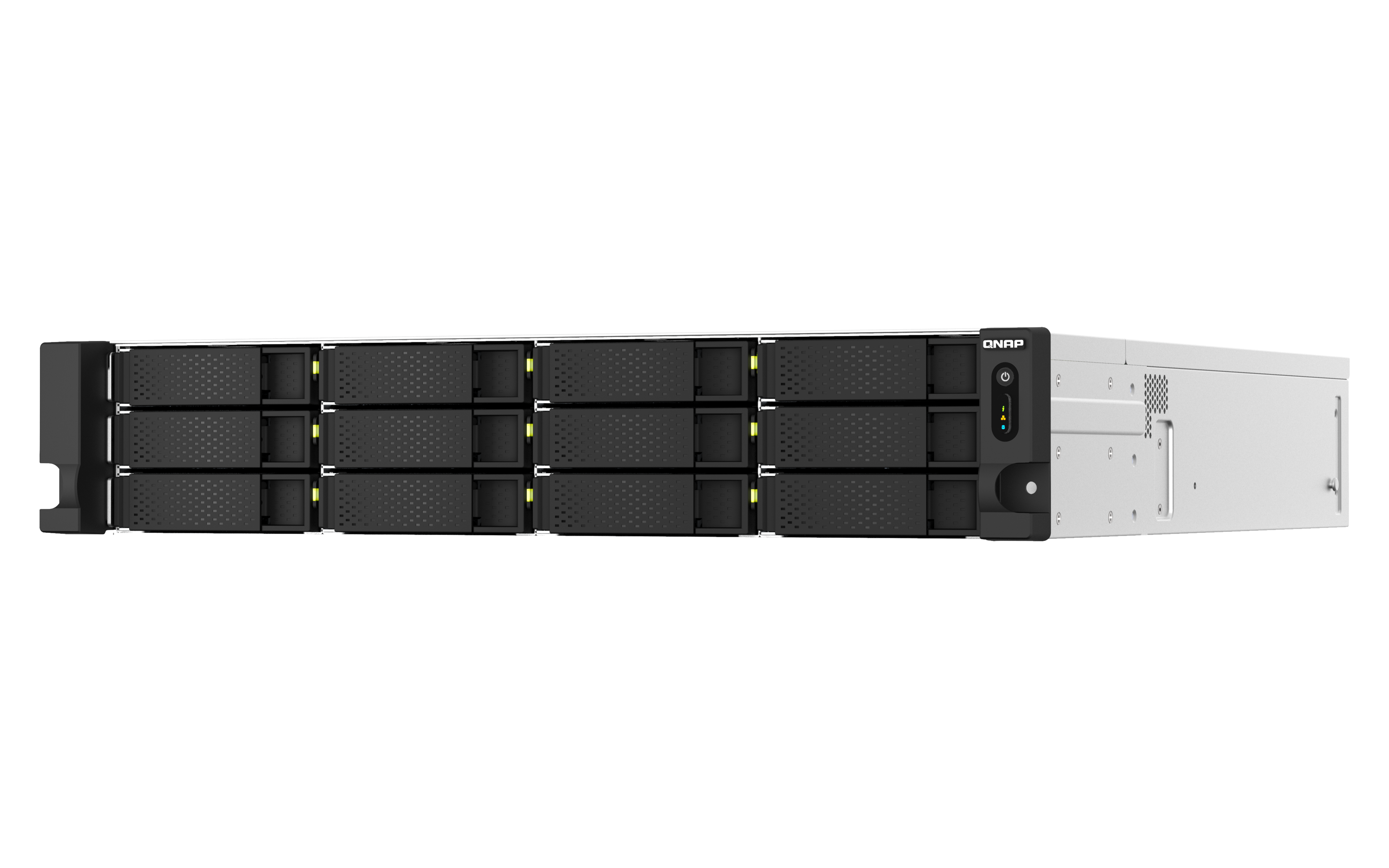
QSN-3000
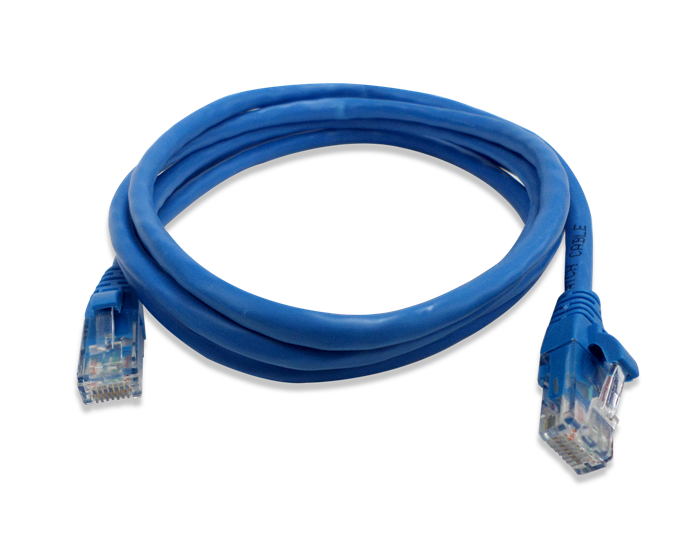
10GBASE-T Ethernet cable x 1

Power cord x 2

Flat head screw (for 3.5" HDD) x 48

Flat head screw (for 2.5" HDD) x 64
Disclaimer
Bundled accessories delivered together with the product such as expansion cards, power adapter, and accessories are covered with one-year warranty.


