Why are cloud services called “rentals,” while NAS is the true data owner?
▼
Google Photos, iCloud, and OneDrive are essentially rental services—you pay a monthly fee to rent space, but you don't actually have true data ownership. If your cloud account is locked or the service price increases, your memories can be taken away just like that. With NAS, you have complete control over your own digital assets, without any restrictions from third-party platforms.
Is it difficult to set up a QNAP NAS? I'm not very tech-savvy.
▼
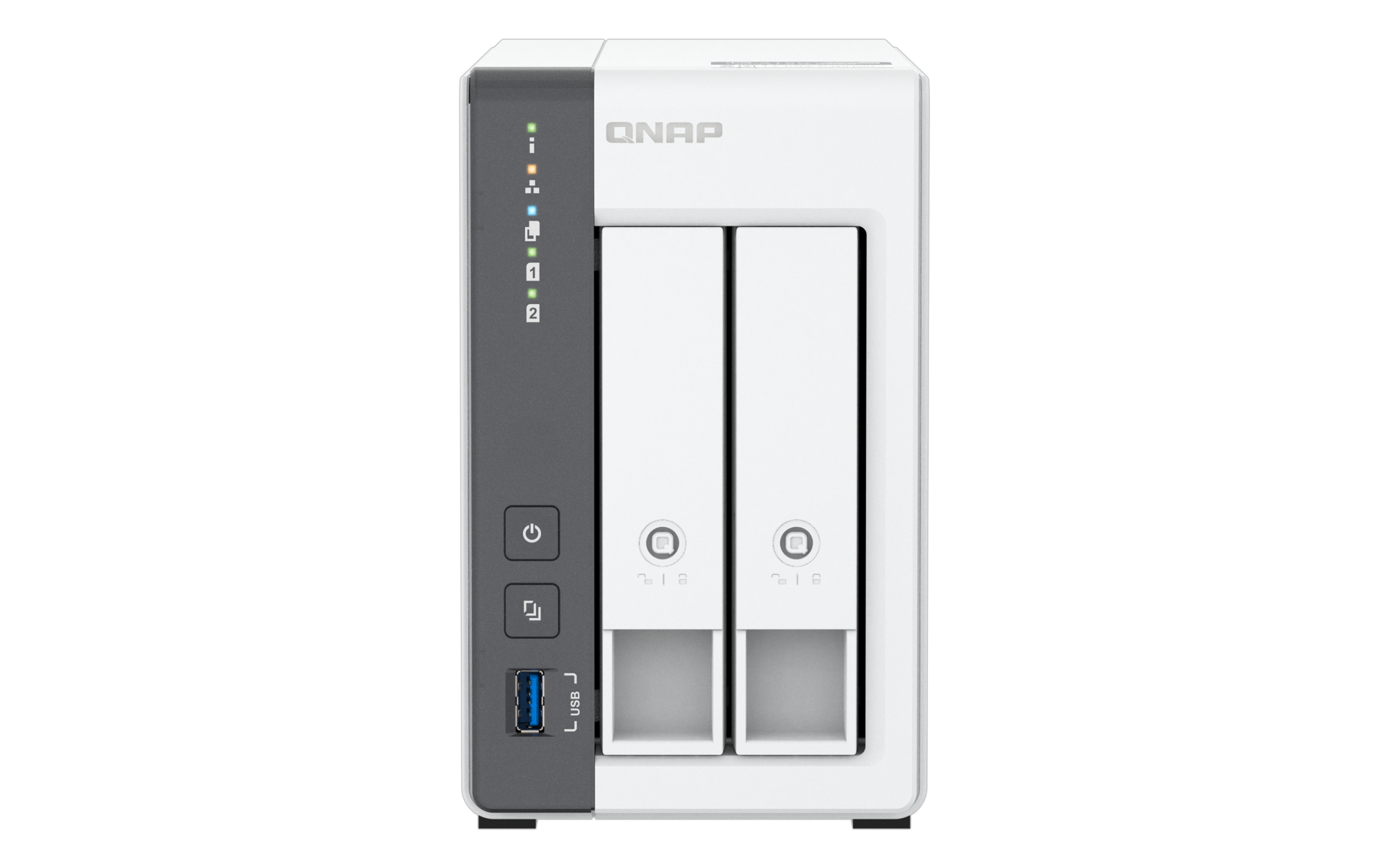
Many beginners choose entry-level NAS to save money, only to find after a year that the system lags and facial recognition is as slow as a snail. In the end, they have to sell the old device and buy a new one. This is a classic case of "secondary spending." NAS should be a one-time, future-proof foundational facility, not an electronic consumable that becomes obsolete in two years.
Why do low-spec processors cause audio and video transcoding disasters?
▼
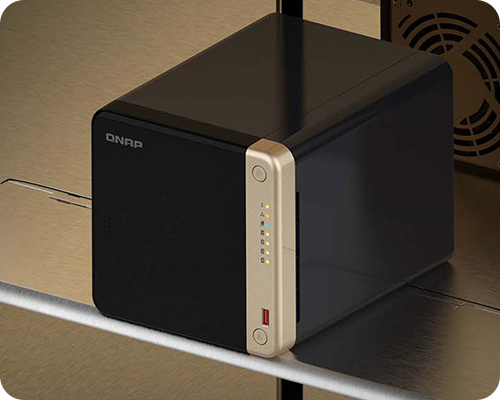
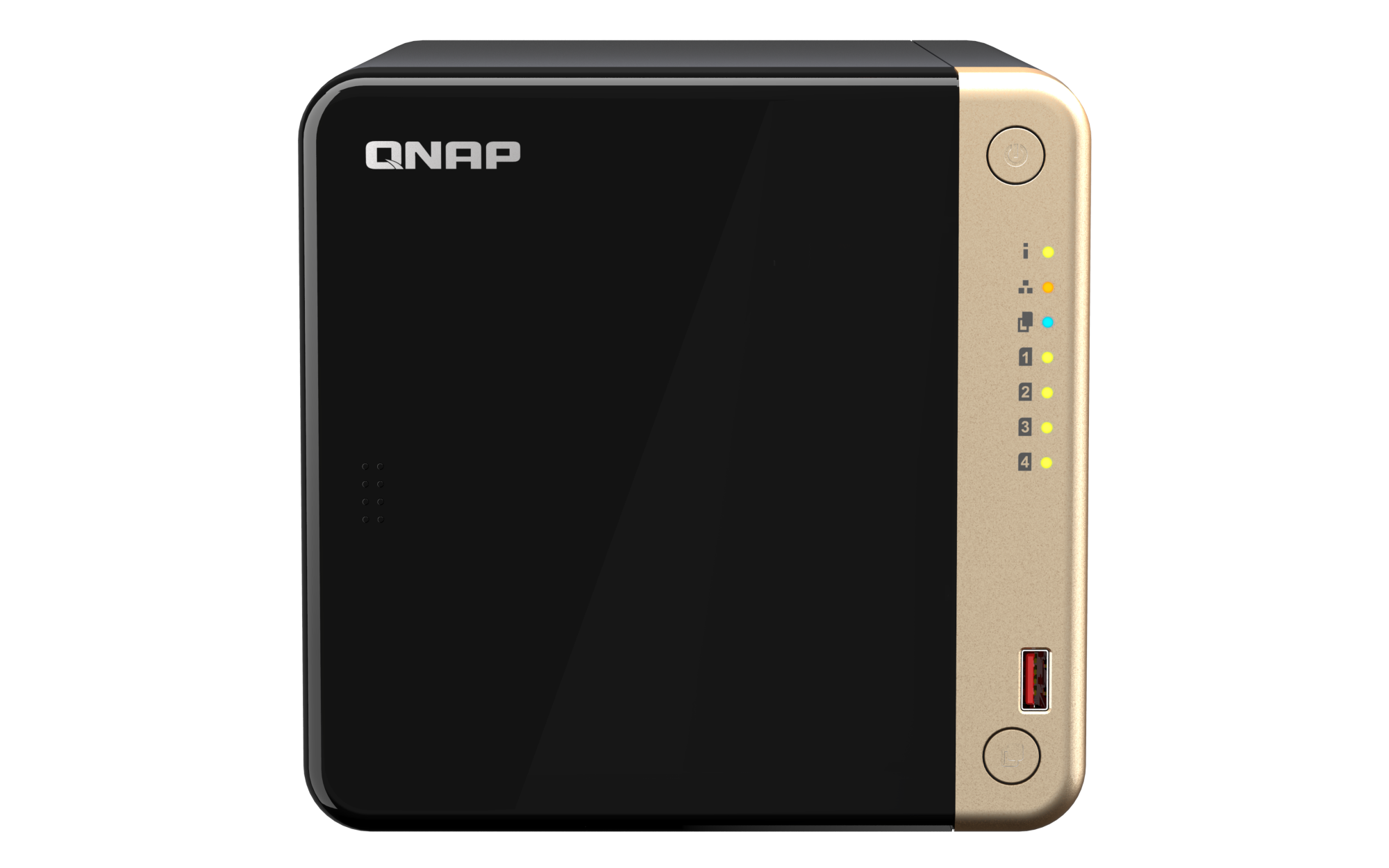
Many entry-level models use Intel processors from six years ago or older, or AMD processors without integrated graphics. The lack of iGPU means that when playing 4K video on Plex or Emby, the CPU load will spike instantly, causing frequent stuttering. In comparison, the Intel iGPU in the TS-464 can easily handle 4K hardware transcoding.
Why is the memory size of NAS so important?
▼
Memory affects the smoothness and multitasking capability of NAS. When performing backups, photo management, or multi-user access, having more RAM can reduce latency and improve operational smoothness. 4GB is sufficient for basic backups, but for AI applications or multi-user environments, 8GB or more is recommended for better performance. The more memory you have, the more noticeable the improvement in user experience.
Why do you need a hybrid storage architecture (HDD + SSD)?
▼
A hybrid storage architecture means using SSD for system and application responsibilities, and HDD for large-capacity data. SSD provides fast read/write and real-time response, while HDD offers high capacity and cost efficiency. This division of labor can balance both performance and Storage Space, avoiding the entire system being slowed down by hard disk drives bottlenecks.