Data Protection
Solution Brief
Build a ransomware-resilient architecture and ensure business continuity with the 1+3 Data Protection Framework.

How Data Loss Becomes a Business Crisis
Real-world incidents demonstrate that no single layer of defense is sufficient to stop the full chain of attacks and failures.
Network Breach
After breaching network devices, a Japanese food company was attacked by ransomware and escalated to lateral movement.1
Unusable Backup
Only 32% believe they can recover within a week.2
Backup Destruction
Ransomware campaigns such as Storm-0501 now deliberately target and destroy backup data.3
Operational Shutdown
A German mobile insurance provider was unable to recover after encryption and ultimately filed for bankruptcy.4
is that no single layer of defense was sufficient to stop the full chain of attacks and failures.

Data Protection = Building Next-Generation Resilience
The NIST (National Institute of Standards and Technology) Cybersecurity Framework (CSF) 2.0, a global security standard, emphasizes not just "defense," but also "detection" and "rapid recovery (resilience)."
QNAP's "1 + 3 Data Protection Framework" is a practical guideline for implementing the ideals of NIST CSF 2.0 with concrete technology.
1 + 3 Data Protection Framework
The straightforward framework for ransomware-resilient architecture
Backup remains the most direct and reliable mechanism for recovery following an incident.
Recent incidents demonstrate that data loss and operational disruption are rarely the result of a single control failure. Modern data protection strategies are shifting from backup-centric thinking to multi-layered resilience architecture. By reinforcing backup with network-level prevention, system and data protection, and system-level high availability, organizations can reduce risk across multiple failure points and improve overall resilience.
NIST CSF 2.0 Alignment
How the 1+3 Framework aligns with NIST Cybersecurity Framework 2.0 requirements
| Framework Pillar | NIST CSF 2.0 Function | Key Activities |
|---|---|---|
| Backup & Recovery | Recover (RC), Protect (PR), Govern (GV) | Reliable data restoration, zero-RPO disaster recovery, immutable backups, Airgap+ isolation, and centralized policy control across all sites. |
| Prevention | Protect (PR), Detect (DE), Respond (RS) | Network traffic control, proactive threat detection, and automated lateral movement blocking. |
| Protection | Protect (PR), Detect (DE), Govern (GV) | Role-based access control (RBAC), delegated administration for duty segregation, WORM cloud storage for compliance, and abnormal activity monitoring. |
| Availability | Respond (RS), Recover (RC) | Uninterrupted business continuity, system redundancy, and automatic dual-NAS/VM failover mechanisms. |
QNAP's End-to-end Data Protection
A unified software suite designed to protect business data across workloads, platforms, and locations



Hyper Data Protection
License-free backup for Windows PCs, servers, VMs, SaaS, and more.
Learn more →

Hybrid Backup Sync (HBS 3)
Reliable backup and sync of NAS data to other NAS, remote servers, or 20+ cloud services.
Learn more →
Hybrid Backup Center
Centralized cloud dashboard for monitoring and managing cross-site, cross-device backup tasks.
Learn more →Need a Custom Solution?
Not sure which tool is right for your business? Our experts can help you design the perfect 1+3 resilience strategy.
QNAP: A Global Leader in Resilient Infrastructure Solutions
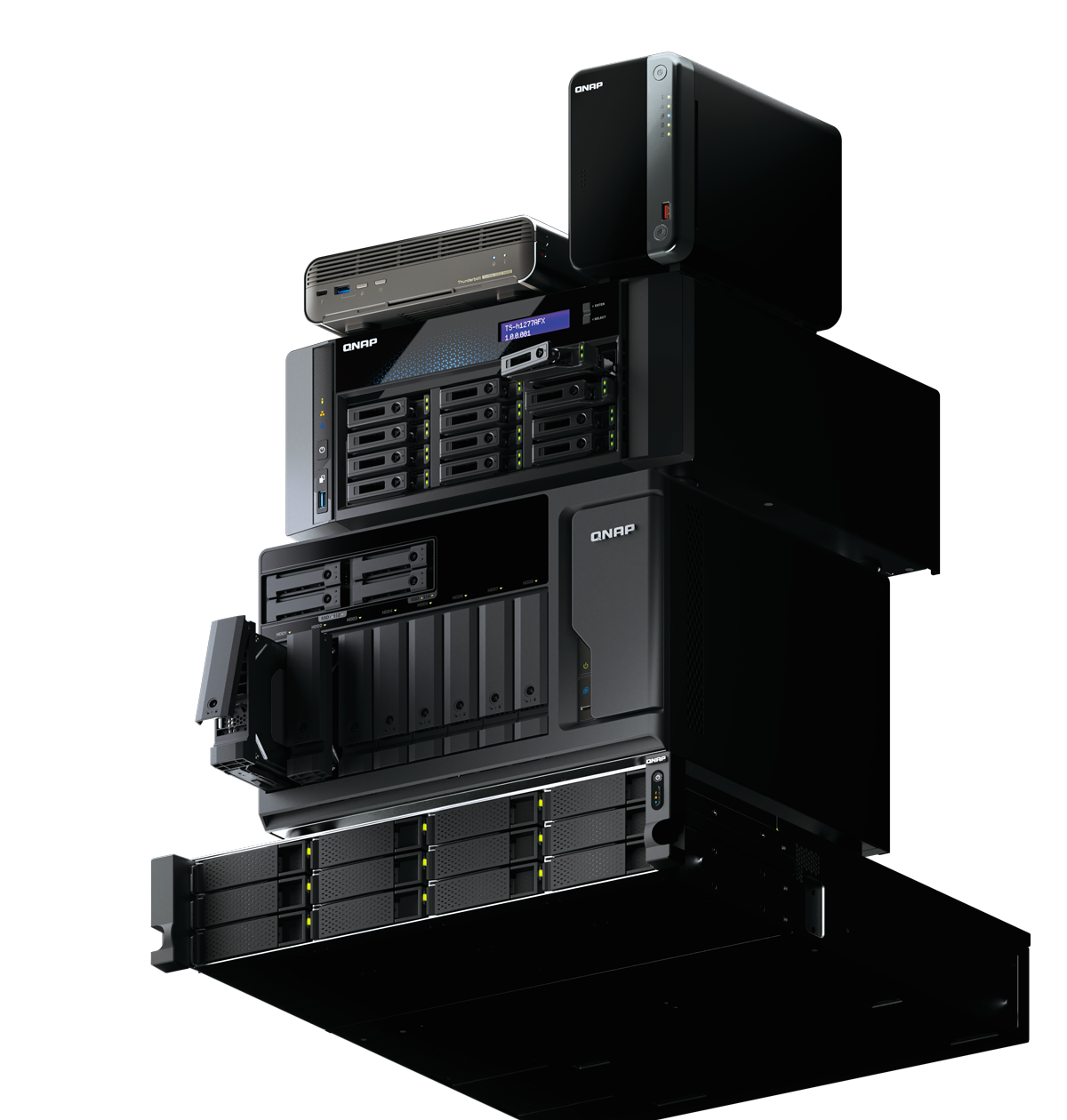
For over 20 years, QNAP has been a leading NAS storage vendor in the industry.
Driven by the mission to deliver trusted solutions across every layer of data protection, QNAP goes beyond storage to integrate networking, surveillance, cloud, and security. Through responsible product development, QNAP has proved itself as a comprehensive infrastructure solution provider that organizations can rely on.
-
High-Performance Infrastructure
Intel/AMD multi-core processing, high-speed 25/100GbE connectivity, and scalable PB-scale storage
-
Reliable ZFS-based System
Self-healing capabilities, real-time SnapSync, and immutable snapshots for ransomware resistance
-
Secure Hybrid Cloud Strategy
Simplified offsite backup, S3-compatible storage, and enhanced security with WORM and Object Lock
Success Stories: How Global Organizations Secure Their Data
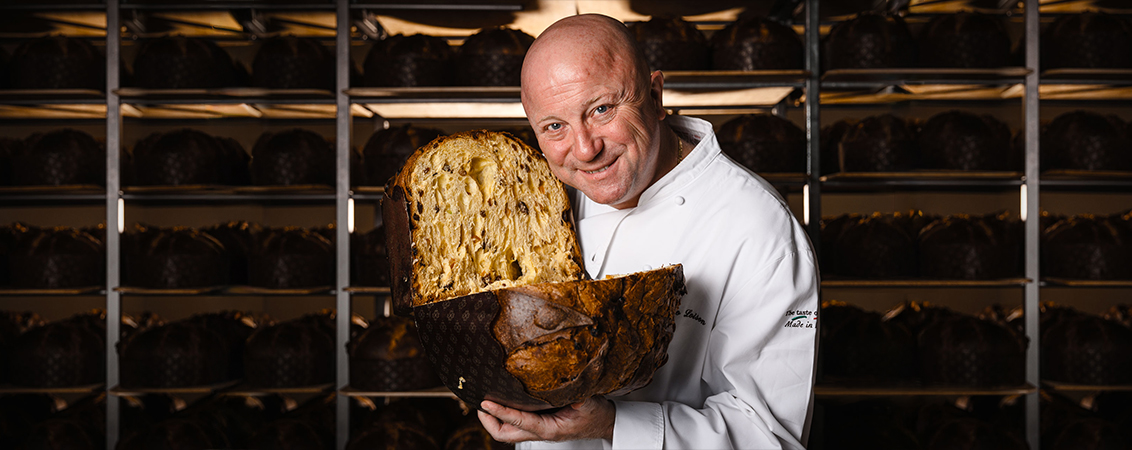
Loison
QNAP network prevention and protection ensure Loison's continuous business operations.
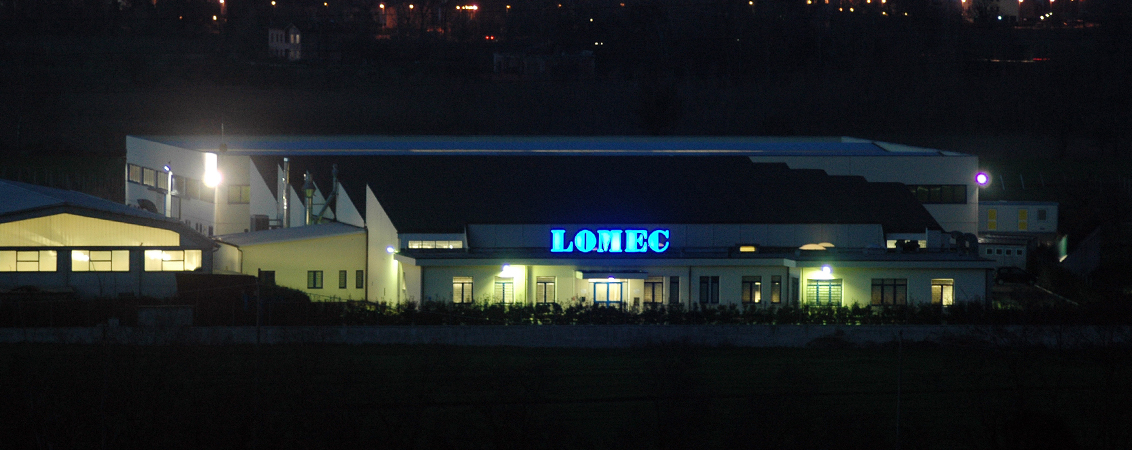
Lomec Ingranaggi
QNAP ADRA NDR prevention uses smart honeypots to block ransomware.

Marunaka
QNAP NDR prevention rapidly isolates networks to stop targeted ransomware.
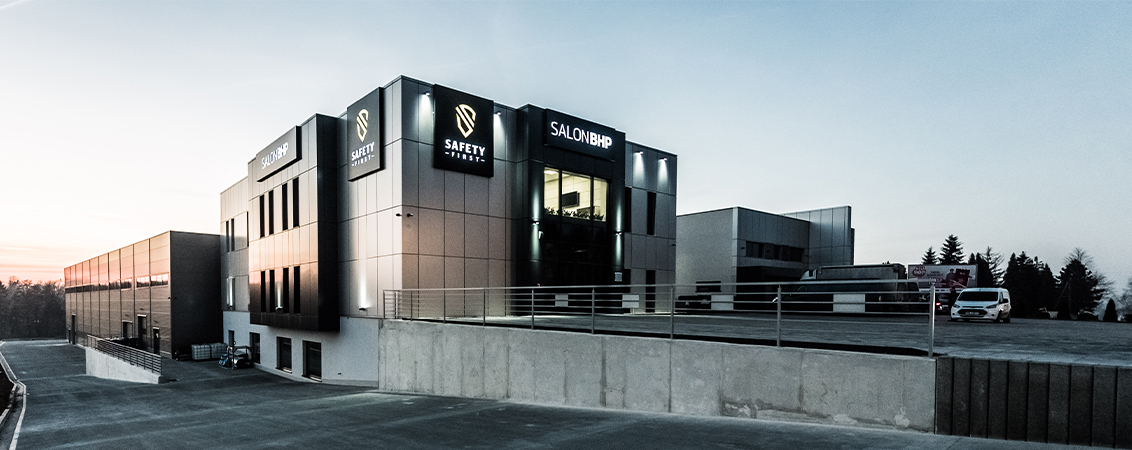
Safety First PPE Group
QNAP High Availability automatic failover guarantees uninterrupted core business operations.
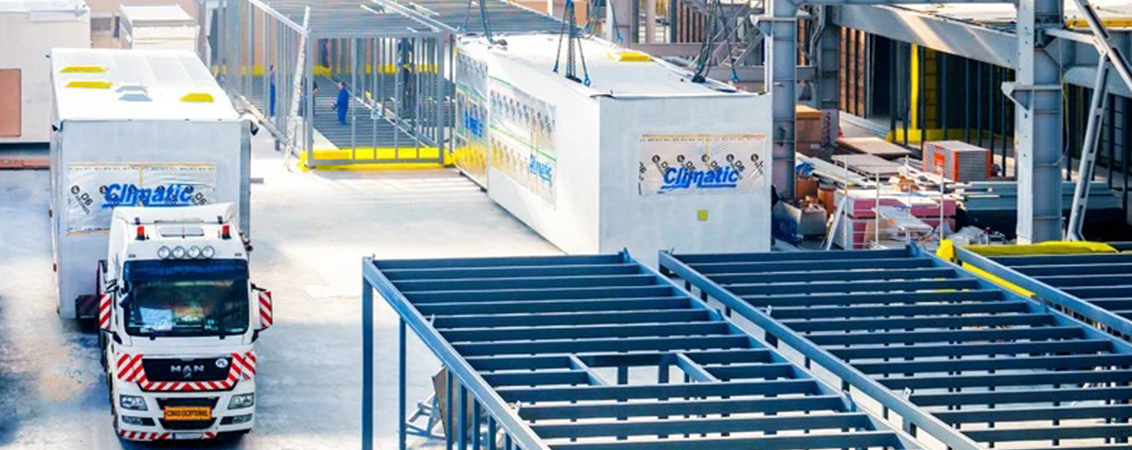
THE BIG SHORT
QNAP High Availability clusters completely eliminate single points of failure.

Gorgia
QNAP enterprise NAS delivers robust backup and immutable snapshot protection.
Ready to Build Resilience?
Implement the 1+3 Data Protection Framework to reduce risk across multiple failure points and protect your organization from ransomware threats.
Our consultative approach helps you build a comprehensive data protection strategy aligned with NIST CSF 2.0 and industry best practices.



Frequently Asked Questions
What is the most common entry point for ransomware, and how can it be prevented?
Over 90% of cyberattacks start with a phishing email, followed by remote access compromises. QNAP's ADRA NDR (Network Detection and Response) uses smart honeypots to attract attackers, proactively detecting and blocking abnormal lateral movements within your network before they spread.
If our system is breached, can we prevent our data from being encrypted?
Yes. QNAP's Immutable Backups and Immutable Snapshots ensure that once data is saved, it cannot be modified, deleted, or encrypted by anyone for a specified period. This guarantees a secure recovery point against ransomware attacks.
Learn more: Ransomware Survival Guide: Why are 'Immutability' and 'Offline Backup' the last line of defense for enterprises in 2026?Is a firewall enough to stop malware and ransomware?
A firewall alone cannot block all threats, especially those entering via email or legitimate credentials. QNAP recommends a multi-layered defense approach, combining QuFirewall for external traffic control and ADRA NDR to monitor and stop internal network threats.
Can we prevent data loss caused by insider threats or compromised admin credentials?
Yes. QNAP supports Multi-Factor Authentication (MFA) and Role-Based Access Control (RBAC) integrated with Azure AD and Windows ACL. By applying the principle of least privilege and separating administrative duties, you can prevent the abuse of system permissions.
What are the best practices for the most secure data protection?
Security best practices include access control, encryption, immutable storage, and air-gapping. QNAP integrates all these critical elements into a single "1+3 Data Protection" solution to comprehensively safeguard your business assets.
Can we easily implement the recommended "3-2-1 backup rule"?
Yes. This rule (3 copies of data, 2 different media, 1 offsite location) is the foundation of data protection. Using QNAP’s Hybrid Backup Sync (HBS 3), you can securely back up and sync your data to other NAS devices, remote servers, or over 20 cloud services.
What is the difference between the 3-2-1 rule and the 3-2-1-1-0 rule? Does QNAP support both?
Yes, QNAP fully supports both strategies. The traditional "3-2-1 rule" requires 3 copies of data on 2 different media with 1 offsite copy. The modern "3-2-1-1-0 rule" evolves this by adding "1" immutable or offline copy that can never be altered, and ensuring "0" errors during recovery. QNAP enables this ultimate resilience through HBS 3, Immutable Snapshots, and Airgap+ isolation.
Do you offer an "air gap" feature to defend against ransomware?
Yes. QNAP's Airgap+ physically and logically isolates the backup target from the network when backups are not running. This effectively eliminates your backup data's exposure to network-based attacks.
Managing backups across different environments (PCs, servers, VMs) is complicated. Can this be simplified?
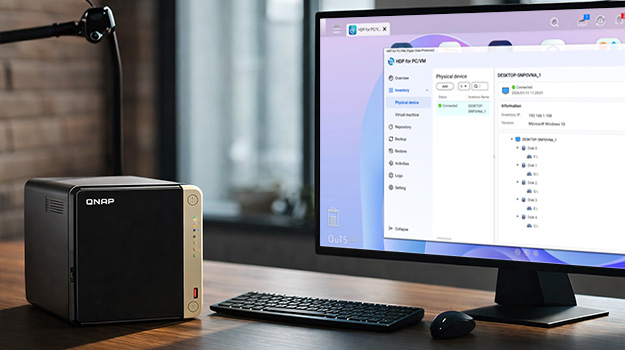
Yes. With QNAP's Hyper Data Protection, you can centrally manage backups for all your workloads—including Windows PCs, servers, clouds, VMs, and SaaS applications—from a single console.
Learn more: Unveiling the New Powerhouse of Full-Stack Backup: QNAP HDP Enterprise-Grade Data Backup CenterIs backup data stored in the cloud safe from tampering?
Yes. Services like myQNAPcloud One support WORM (Write Once, Read Many) and Object Lock technologies, ensuring data immutability even in the cloud.
How can we prevent downtime caused by ransomware or system failures?
The most severe impact of a ransomware attack is system downtime. QNAP offers dual-NAS High Availability (HA) architectures, such as Active-Active and Active-Passive setups. These ensure automatic failover during a failure.
What happens to our business operations if a Virtual Machine (VM) goes down?
QNAP systems support VM failover. Even in the event of hardware failure or routine maintenance, your virtual machine operations can continue seamlessly without disruption.
Learn more: Two-NAS High Availability, uninterrupted virtual machines!Can we protect our data from "silent data corruption" caused by write errors?
Yes. QNAP's ZFS-based systems feature self-healing capabilities. They automatically detect and repair silent data corruption.
Learn more: The invisible killer of data: In-depth analysis of ZFS and how QuTS hero puts an end to 'Silent Data Corruption'Is it possible to achieve zero data loss (RPO zero) during a disaster?
Yes. By utilizing the "Real-time SnapSync" feature on our ZFS-based systems, data changes are synchronized to a remote NAS in real-time, delivering a Recovery Point Objective (RPO) of zero.